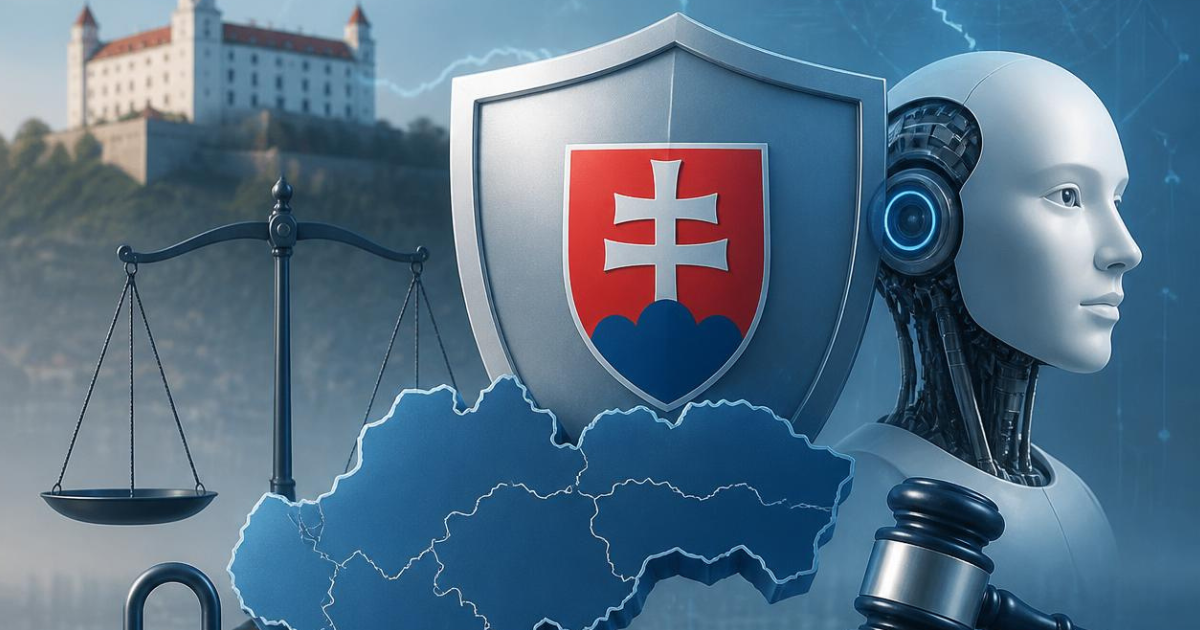

Občianske právo versus digitálna doba: Úloha GDPR v každodennom živote
The constantly evolving digital landscape has significantly impacted various areas of life, including civil law. Personal data protection has become crucial in this era, leading to the establishment of the General Data Protection Regulation (GDPR) by the European Union. GDPR aims to protect individuals‘ data privacy and empowers them with control over their personal information. This article will explore how civil law interacts with the challenges of the digital age, focusing on the role of GDPR in everyday life. As we delve into this subject, we will consider how GDPR influences consumer rights, businesses‘ responsibilities, and the protection of individual privacy standards.
Digitálna doba a občianske právo
Digitization has transformed societal norms and regulations. Civil law, traditionally concerned with aspects like contracts, property rights, and family law, now intersects with issues related to data protection and online interactions. The digital age necessitates a reevaluation of how personal information is used and safeguarded.
Príležitosti a výzvy
With the advent of digital tools and platforms, individuals and businesses enjoy increased convenience and connectivity. However, these advancements also present challenges, such as data breaches and the unauthorized use of personal data. The need to address these concerns has made GDPR a pivotal element in aligning civil law with modern technological realities.
1. GDPR: Základné princípy
The GDPR lays down essential principles for handling personal data. Key principles include:
- Zákonnosť a transparentnosť: Data processing must be lawful, fair, and transparent to the data subject.
- Účelová obmedzenosť: Data must be collected for specified, explicit, and legitimate purposes.
- Minimalizácia údajov: Only data necessary for the intended purpose should be collected.
- Presnosť: Data must be kept accurate and up-to-date.
- Uchovávanie a integrita: Data should be kept secure to maintain its integrity and confidentiality.
2. GDPR v každodennom živote
Ochrana spotrebiteľov
For consumers, GDPR increases confidence in sharing personal information with businesses. It mandates explicit consent before data can be processed, allowing individuals to make informed decisions about their information. Additionally, individuals have the right to access their data, request corrections, or demand erasure of data, contributing to enhanced user empowerment.
Ochrana zamestnancov
GDPR also extends to the workplace, providing employees with rights over their personal data held by employers. It ensures that any personal data processing is justified and necessary for employment purposes, thus safeguarding employee privacy.
3. Zodpovednosť podnikateľov
GDPR imposes significant obligations on businesses regarding personal data processing. Companies must ensure compliance with transparency requirements, data protection measures, and risk assessments to prevent data breaches. Failure to comply can lead to substantial fines and damage to reputation.
Implementácia a výhody
By adopting GDPR-compliant practices, businesses can enhance customer trust and loyalty. Implementing robust data protection mechanisms helps companies avoid legal issues and potentially costly penalties, while also promoting a culture of transparency and responsibility.
Záver
In conclusion, the intersection of civil law and the digital era underscores the importance of GDPR in safeguarding personal data. As individuals embrace digital technologies, the regulation provides a framework that not only protects privacy but also instills confidence in digital interactions. For consumers, GDPR offers tools to control their personal information, while businesses gain guidelines for responsible data management. Balancing the opportunities of the digital age with necessary protections requires continuous adaptation. However, the principles of GDPR remain vital in navigating the evolving landscape of civil law, ensuring that the digital age respects fundamental rights and values.